Journal / Autonomy
Inside the evolution of autonomous drones
Oct 31, 2025 • By Mia Carter • 7 min read
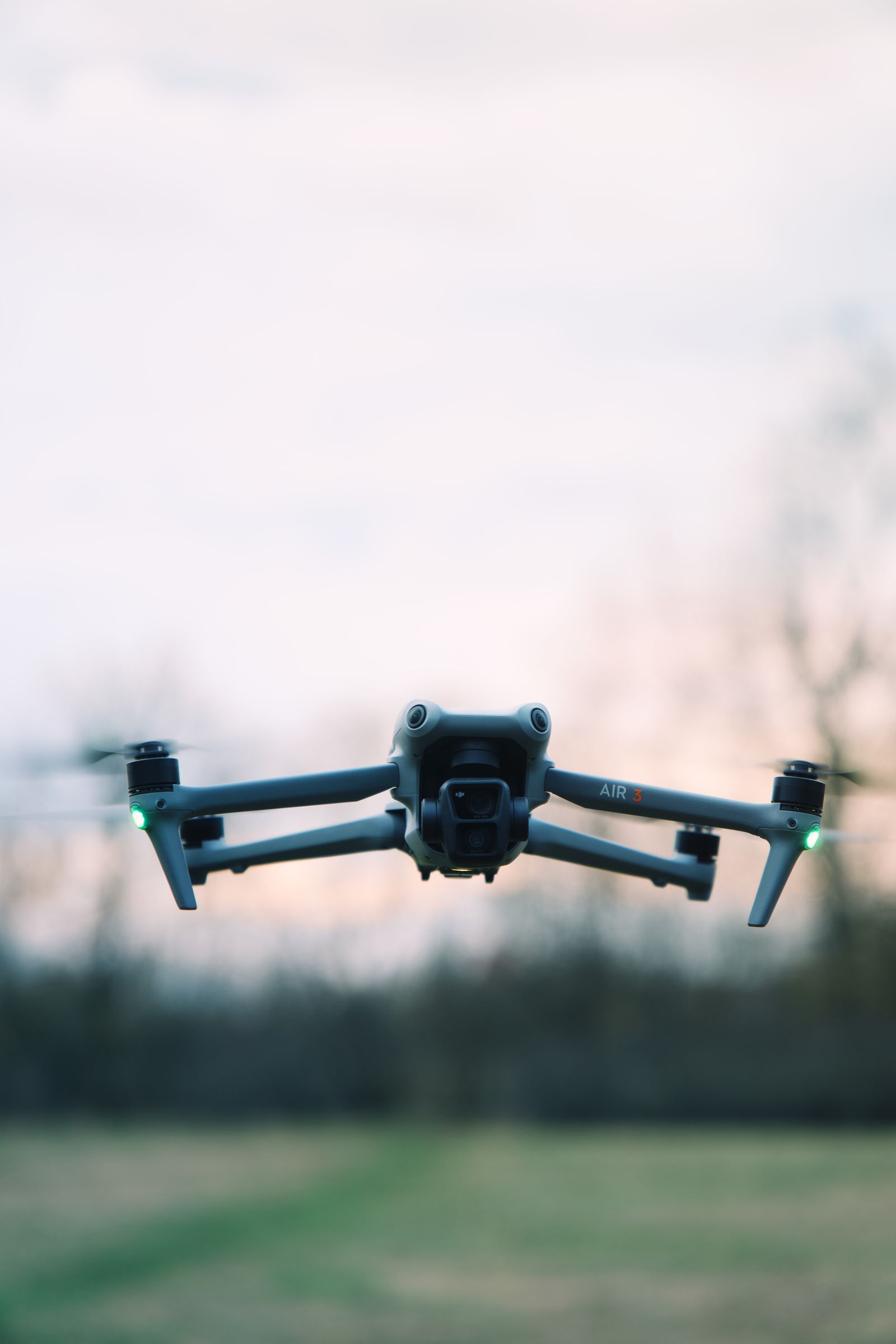
Autonomy in drones arrived the way it arrives everywhere: first as assistance, then as routine, and finally — in narrow, well-defined jobs — as independence. Here is an honest map of where the technology stands, from someone who flies both ends of the spectrum.
Stage one: waypoints
Modern mapping missions are already autonomous in practice: the pilot defines the area, and the aircraft flies the grid, triggers the shutter and returns home. The human’s job moved up a level — from stick inputs to mission design and exception handling.
Stage two: docked and scheduled
Drone-in-a-box systems now live on rooftops and substations, launching perimeter patrols and progress surveys on a timer. For repetitive monitoring — the same fence, the same stockpile, every morning — docks beat crews on cost and consistency.
“Autonomy handles the repeatable. Pilots handle the remarkable. The best operations pair them deliberately.”
What pilots still do better
Creative judgment, chaotic environments and anything involving people. A wedding, a film set, an emergency response — these need a human reading the scene in real time. Our event crews fly manual for exactly this reason, and we expect that to remain true for years.

Mia Carter
Operations planner, Cloudline Aerial.